Estimated reading time: 6 minutes
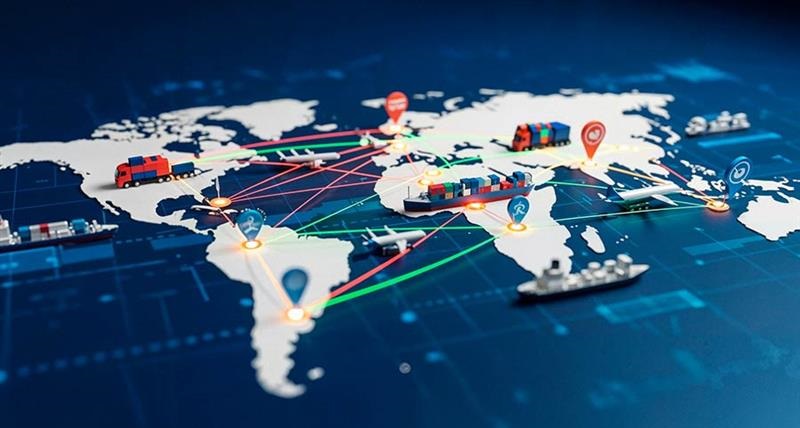
In today’s dynamic trade environment, transshipment stands at the heart of global cargo movement. Although the process seems simple, unloading goods from one vessel and loading them onto another carries far more complexity beneath its surface. Transshipment relies on precise documentation, sensitive legal rules, and strict operational practices.
Additionally, it exposes shipments to elevated risks, particularly when handling mixed, sensitive, or high-value cargo. Moreover, many shippers confuse transshipment with transloading, even though the two processes serve different logistics needs and create different insurance consequences. This comprehensive article clarifies the operational steps, legal context, insurance responsibilities, overlooked dangers, and contract requirements tied to transshipment.
Understanding Transshipment: Essential Concepts
Transshipment involves moving a container from one ship to another at an intermediate port while maintaining the same mode of transport. The container usually stays sealed, and the shipping line continues carrying the cargo to its final destination. This procedure becomes essential when no direct service exists, such as shipments from East Asia to minor European or African ports routed through major hubs like Singapore, Dubai, or Rotterdam.
Accurate documentation enables the operation to function smoothly. The Bill of Lading (B/L) records the agreement of carriage, while the Manifest lists the details of all goods aboard a vessel. The shipping company prepares the Manifest using data from the B/L and sends copies to the receiving agent and the vessel’s next port. Consequently, port authorities can prepare stevedoring teams, allocate storage, and coordinate customs oversight. Customs officials at the transshipment port may require visas or special approvals before the cargo is moved between vessels. As a result, any mistake in the B/L or Manifest, incorrect marks, wrong packaging descriptions, or inaccurate weight can delay operations or cause misrouting.
✔ Transshipment vs. Transloading: Functional Differences
Many businesses mistakenly treat transshipment and transloading as interchangeable terms, yet they function differently.
Transshipment keeps the cargo in the maritime chain. The container remains sealed, and the goal is continuity of ocean freight without breaking the load.
Transloading involves shifting the cargo from one mode to another, ship-to-truck, ship-to-rail, or a different container. The process often requires unpacking, repackaging, sorting, or adapting the freight for inland movement. Mechanical handling increases the likelihood of loss or contamination. Consequently, transloading enhances flexibility, while transshipment supports long-distance maritime continuity.
✔ Legal Boundaries and Compliance Requirements
Transshipment is intertwined with international conventions. The Hague-Visby Rules limit carrier liability per package or per kilogram. The Hamburg Rules extend the carrier’s responsibility. The Rotterdam Rules incorporate broader obligations across multi-modal phases. Therefore, the legal framework determines compensation, responsibility distribution, and available defenses.
Certain jurisdictions impose restrictions on transshipment, particularly for goods subject to sanctions or dual-use items. Customs authorities may classify goods as “in-transit,” “bonded,” or “temporary entry,” each with different inspection obligations. Incoterms also influence risk distribution. Under CIF or CIP, the seller provides insurance until the destination port, including intermediate hubs. Under FOB or FCA, risk transfers earlier, placing responsibility on the buyer. Incorrect Incoterm usage leaves shipments exposed during transit.
✔ Operational Steps and Points of Failure
The transshipment sequence includes:
- Arrival notice and berthing plan
- Discharge via cranes
- Temporary stacking in the yard
- Customs review if required
- Preparation for the outbound vessel
- Reloading and seal check
- Manifest and B/L update before departure
Delays may arise from congestion, weather, improper stacking, or documentation errors. Additionally, mismatched manifests create operational friction at busy terminals.
✔ Hidden Risks in Transshipment
Multiple handling stages elevate exposure to:
- Crane impact damage
- Seal tampering or breakage
- Theft in high-traffic hubs
- Temperature instability in reefer containers
- Contamination from adjacent goods
- Spill hazards for bulk cargo
- Unanticipated storage, scanning, or wharf fees
Unauthorized transshipment is another key risk. If a carrier reroutes the cargo without contractual approval, liability may fall entirely on the carrier.

✔ Insurance Responsibility: Freight Forwarder vs. Cargo Owner
Insurance disputes often arise after damage at a transshipment hub.
Freight forwarder liability insurance covers negligence—errors in documentation, poor routing choices, or failure to declare cargo correctly. It does not normally compensate for physical cargo loss unless negligence is proven.
Cargo insurance (e.g., ICC-A all-risk policies) protects the shipment throughout its journey, including intermediate stops and storage-in-transit. Under INCOTERMS, where the seller must insure the cargo, protection extends through all transshipment legs. Insurers usually settle the claim first and then pursue the responsible party through subrogation.
✔ Special Considerations for Sensitive Cargo
Cold chain cargo demands a continuous power supply and stable temperature conditions. Even brief power outages may spoil pharmaceuticals or perishables. Dangerous goods fall under IMDG Code rules, requiring special segregation, labeling, and dedicated inspection procedures. Many ports apply additional handling fees for hazardous cargo, increasing cost and processing time.
✔ Digital Transformation in Transshipment
Modern ports increasingly rely on digital systems to enhance accuracy. Electronic B/L platforms, IoT-enabled container seals, GPS tracking, blockchain validation, and automated terminal operating systems reduce human error and improve transparency. These tools offer shippers earlier visibility into routing changes and potential delays.
✔ Cost Elements and Hidden Expenses
Transshipment commonly generates:
- Terminal Handling Charges (THC)
- Storage and yard fees
- Customs scanning charges
- Reefer plug-in costs
- Security surcharges
- Document correction fees
Poorly drafted agreements often fail to specify which party bears these costs, leading to disputes, especially when delays trigger demurrage or detention.
✔ Contract Clauses for Safer Transshipment
The major clauses include:
- Explicit permission or prohibition of transshipment
- Maximum dwell time at hub ports
- Seal integrity obligations
- Insurance requirements
- Responsibility for misdelivery or routing changes
- Photo evidence or handling logs
- Notification requirements
Clear contract drafting improves accountability and reduces uncertainty.
✔ Conclusion
Transshipment remains central to maritime logistics, enabling access to markets without direct sailings. However, it introduces legal, operational, and insurance-related complexities that require disciplined management. By improving documentation accuracy, selecting the correct Incoterms, securing proper insurance, and using strong contractual controls, shippers can reduce exposure and ensure consistent cargo movement through busy international hubs.
Check out more pages of our website for related content:
Access the Full Contract Directory Index
You can browse the complete alphabetical list of all commercial, financial, and project-based contract templates by visiting our A–Z Contract Index.
Reference
- UNCTAD – Maritime Transport & Trade Logistics
- European Commission – Maritime Transport Regulations
- World Economic Forum – Supply Chain & Logistics Insights
- MIT Center for Transportation & Logistics – Freight Systems Research

