Estimated reading time: 3 minutes
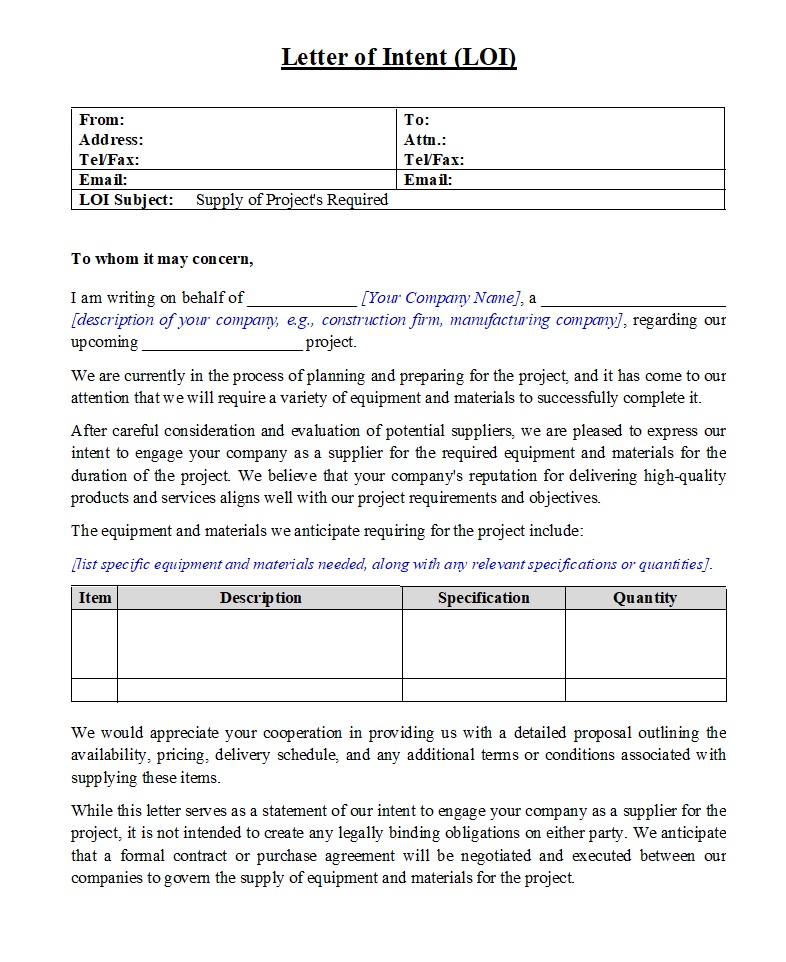
A Letter of Intent (LOI) is a preliminary document used when parties wish to formalize serious commercial discussions before signing a binding agreement. It records shared intent, frames the proposed transaction, and signals commitment without final obligation. In practice, a Letter of Intent reduces uncertainty at early stages and aligns expectations while negotiations continue.
Because complex transactions require time, an LOI allows parties to move forward in parallel with due diligence, approvals, and structuring. As a result, negotiations become more efficient and disciplined.

Purpose and Function a Letter of Intent
A Letter of Intent serves as a coordination tool between parties who have reached initial alignment. It documents commercial direction while leaving room for refinement. Therefore, it helps prevent misaligned assumptions that often derail negotiations later.
In addition, an LOI signals seriousness. While it does not usually bind parties to complete the transaction, it demonstrates intent to proceed under defined principles. Consequently, counterparties gain confidence to invest time and resources in further steps.
Core Components of a Letter of Intent
A well-drafted Letter of Intent identifies the parties, outlines the transaction scope, and summarizes proposed commercial terms. These may include pricing principles, payment structure, timelines, and conditions precedent. Although details remain flexible, clarity at this stage reduces friction later.
Most Letters of Intent also address confidentiality, exclusivity, and cost allocation. Importantly, the document must clearly distinguish binding clauses from non-binding ones. Without this distinction, parties risk unintended legal exposure.
Practical Use and Application
Letters of Intent are common in mergers, acquisitions, joint ventures, real estate transactions, and large supply arrangements. They allow negotiations to advance while legal teams prepare definitive agreements. As a result, transaction momentum remains intact.
In cross-border or high-value deals, an LOI often supports internal approvals, financing discussions, and third-party engagement. Therefore, it plays both a commercial and strategic role.
Common Challenges and Mistakes
The most frequent mistake involves ambiguous language. Courts may interpret poorly drafted Letters of Intent as enforceable contracts. Therefore, precision is essential. Another risk arises when parties treat non-binding terms as operational commitments.
Failure to align the Letter of Intent with later agreements also creates disputes. To avoid this, parties should ensure consistency and document evolution clearly throughout negotiations.
Final Note
A Letter of Intent balances flexibility with structure at a critical negotiation stage. When drafted carefully, it accelerates transactions while controlling legal risk. However, unclear wording or misplaced assumptions can undermine its purpose and expose parties to avoidable disputes.
Check out more pages of our website for related content:
Access the Full Contract Directory Index
You can browse the complete alphabetical list of all commercial, financial, and project-based contract templates by visiting our A–Z Contract Index.
References
- Investopedia – How to Use a Letter of Intent (LOI) to Make a Deal
- Lexisnexis – Letter of intent (LOI) Definition …

has been added to your cart!
have been added to your cart!

