
Estimated reading time: 3 minutes
⏺ What is a “Certificate of Origin”?
Certificate of Origin is one of the 5 mandatory Shipping Documents required for international trade transactions, along with the respective Commercial Invoice (C/I), Bill of Lading (B/L, AWB), Packing List (P/L), and Inspection Certificate, particularly when shipping goods are under a Letter of Credit (L/C).
The certificate of origin serves as official documentation that verifies the country where a product is manufactured, produced, or processed, thereby fulfilling customs requirements in the importing country.
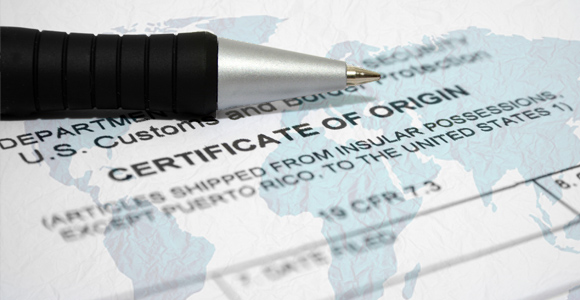
While this important document may not directly trigger political bans, they are an essential part of the documentation required for international trade transactions.
In times of heightened political tensions or trade restrictions, C/Os are often subject to rigorous examination and verification as governments strive to ensure strict adherence to sanctions and other regulatory measures.
This intensified scrutiny aims to prevent the circumvention of trade embargoes, political bans, or economic sanctions imposed on specific countries or entities. By closely examining the origin of goods, authorities can effectively enforce these measures, thereby maintaining the integrity of international trade and upholding national security interests.
⏺ Drafting and Certification Process
Depending on the exporting country’s regulations, the seller (exporter) can draft the C/O. The local Chamber of Commerce then certifies it. In some cases, the Chamber of Commerce issues the certificate based on the exporter’s draft. This process ensures that the document meets all legal and regulatory requirements.
⏺ Supporting Documentation for a C/O
Exporters often need to provide supporting documentation alongside the C/O. These documents can include commercial invoices, packing lists, and manufacturing records. Providing these documents helps verify the authenticity of the certificate. It also ensures compliance with import regulations in the destination country.
⏺ Importance in International Trade
The C/O is vital in international trade. It helps determine the correct tariffs and duties for imported goods. Customs officials use it to verify the origin of the goods. This verification process prevents fraud and ensures fair trade practices. The certificate also facilitates smoother customs clearance, reducing delays and complications.
⏺ Conclusion
The C/O is a key document in the export process. It certifies the origin of goods and ensures compliance with trade regulations. Exporters must provide accurate supporting documentation to accompany the certificate. This practice ensures a smooth and efficient import/export process.
Check out more pages of our website for related content:
- Certificate of Origin (C/O) – 1
- Inspection Certificate
- Country Risk Classification (by OECD)
- Sanctions and Embargoes
References:
- International Chamber of Commerce (ICC) – Certificates of Origin – A Certificate of Origin (CO) confirms the ‘nationality’ of a product and serves as a declaration to satisfy customs or trade requirements, often required for customs clearance to determine duties or import legitimacy.
- Investopedia – Certificate of Origin (CO): Definition, Types, and How to Get One – A certificate of origin (CO) is a document in international trade to certify that the goods originated in a specific country, helping verify compliance with customs, tariff requirements, preferential trade treatments, and sanctions.
- Wikipedia – Certificate of origin – A certificate of origin is an international trade document that attests that goods in a shipment meet criteria to be considered as originating in a particular country, typically prepared by the exporter and sometimes certified by an authorized third party. …

has been added to your cart!
have been added to your cart!

