

Estimated reading time: 3 minutes
The earliest written contracts in human history originated in Mesopotamia, where the Sumerians recorded agreements on clay tablets over 4,500 years ago. These contracts as The World’s Oldest Legal Agreements, shaped the foundation of modern law by formalizing property rights, rentals, and financial obligations. Their discovery highlights how ancient societies managed land, trade, and labor through structured legal frameworks.
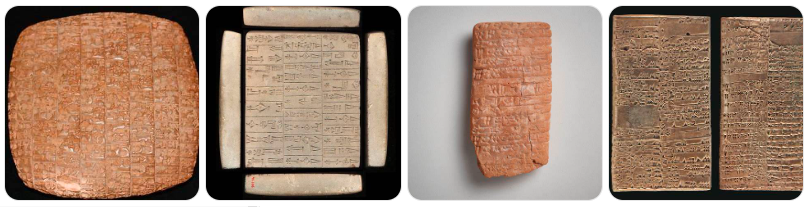
Agricultural Land Leases in Ur and Lagash
Archaeologists uncovered clay tablets from Ur and Lagash that describe farmland leases. Landowners granted parcels for one or several harvest cycles, and tenants paid rent in silver or in a share of crops. The contracts also listed tenant obligations such as plowing, planting, and maintaining irrigation. When tenants failed to fulfill duties, they paid penalties, proving that legal enforcement existed in early Mesopotamia.
Property Transfers and House Sales
Other tablets recorded sales of houses and plots of land. These agreements named the seller, buyer, and witnesses, while also specifying payment terms. Seals impressed on the clay acted as signatures, preventing disputes and proving authenticity. Such documents highlight the importance of legal certainty and property rights thousands of years before modern law.
Loans and Credit Agreements
Tablets from around 2400 BC show evidence of loans in silver or barley. Contracts defined repayment dates and penalties. If debtors defaulted, creditors collected additional grain or required labor service. This structure built trust in financial dealings and resembles fundamental practices still present in modern banking and commerce.
Where These Tablets Are Preserved Today
Many of these ancient Sumerian contracts now rest in leading museums and collections:
- British Museum (London): A vast archive of Mesopotamian contracts and administrative tablets.
- Louvre Museum (Paris): Preserves several Sumerian economic records and Hammurabi’s Stele.
- Iraq Museum (Baghdad): Holds original tablets excavated locally.
- Oriental Institute, University of Chicago: Contains Nippur tablets, including lease and credit contracts.
Hammurabi’s Stele: Codifying Contract Law
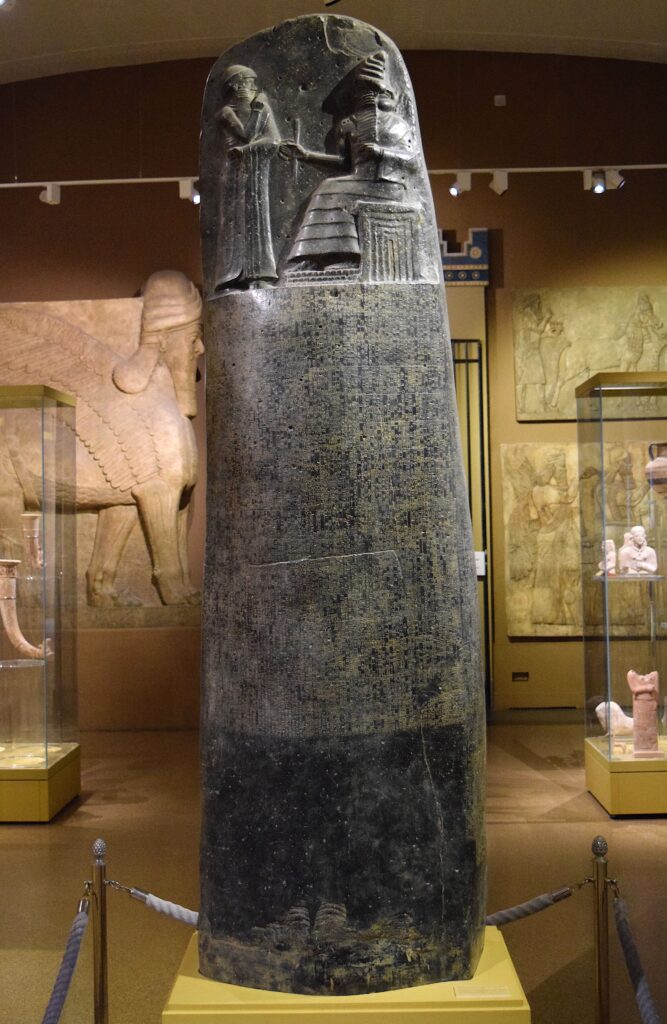
Around 1755 – 1750 BC, the Babylonian king Hammurabi issued the Code of Hammurabi, one of the first comprehensive legal codes. The diorite stele includes 282 laws, many regulating leases, loans, and penalties for breach of contract.
Like Darius’s Behistun Inscription centuries later, the stele symbolized public proclamation of law and justice. Discovered in Susa (Iran) in 1901, the original stele now stands in the Louvre Museum, Paris, bridging ancient Mesopotamian law with later traditions of codified rights.
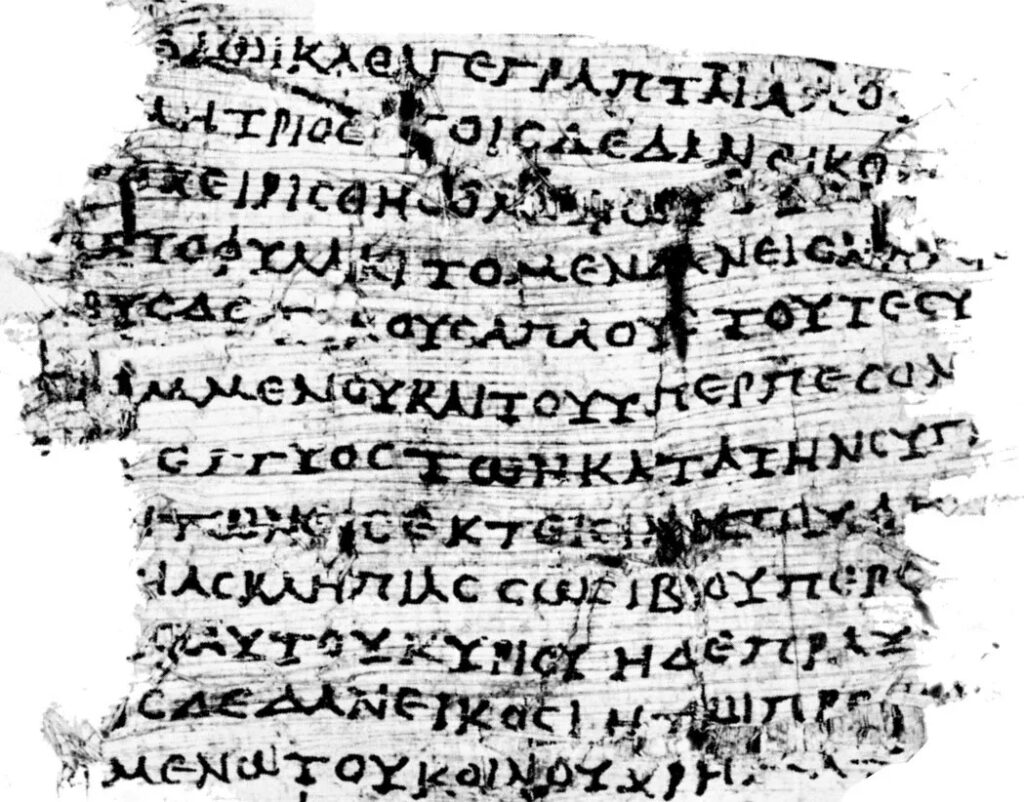
and here is one of the The World’s Oldest Legal Agreements, the Legal text of a loan contract, 99 bce; Greek Papyrus 586 in the John Rylands University Library, University of Manchester, England.
Courtesy of The John Rylands University Library of Manchester
