Estimated reading time: 2 minutes
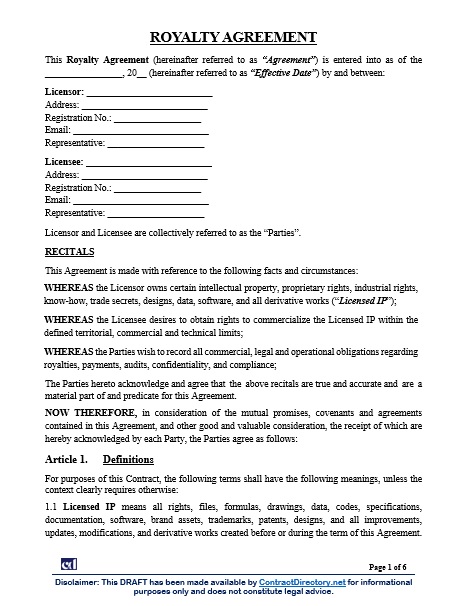
A Royalty Agreement structures payments for intellectual property use. Parties define terms for ongoing compensation. These contracts bind licensors and licensees in financial exchanges.
Contractual Relevance of Royalty Agreements
Licensors grant rights through royalty agreements. Licensees access assets like patents or copyrights. Moreover, agreements specify calculation methods for payments. Parties negotiate percentages based on sales or usage. Therefore, royalty agreements facilitate long-term collaborations. Furthermore, they incorporate clauses for audits and adjustments. Licensors often integrate elements from a Grant of License Agreement to formalize access.
Legal Implications in Royalty Structures
Courts enforce royalty agreements under intellectual property laws. Disputes arise from ambiguous terms. Consequently, licensors pursue remedies for underpayments. Licensees challenge excessive demands. However, statutes like the Patent Act govern validity. Thus, the Royalty Agreement must comply with antitrust regulations. Additionally, international treaties influence cross-border royalties. Structures align with a standard License Agreement framework.
Risk Exposure from Improper Royalty Terms
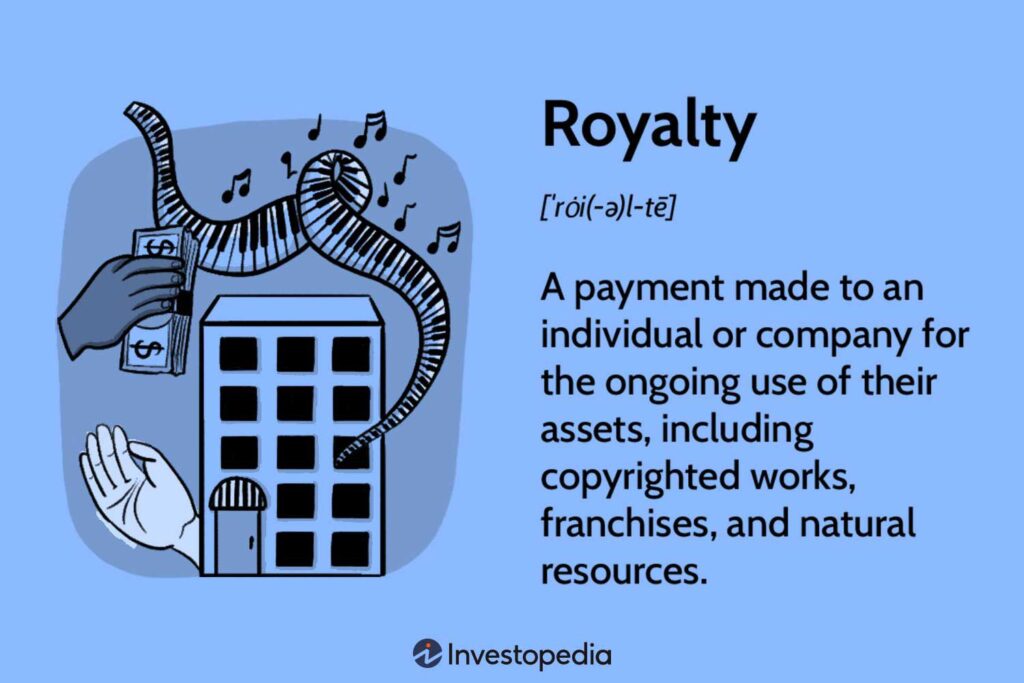
Parties face financial losses in flawed royalty agreements. Ambiguities lead to litigation costs. Moreover, licensees incur penalties for non-compliance. Licensors risk revenue shortfalls from evasion tactics. Therefore, incomplete definitions expose both sides to disputes. Furthermore, regulatory scrutiny increases with non-transparent structures. Consequently, royalty licensing contracts demand precise language to mitigate threats. Risks escalate without clear Intellectual Property Rights Agreement protections.
Transactional Role and Drafting Importance
Royalty agreements drive transactions in industries like technology and entertainment. They enable monetization of innovations. Moreover, parties rely on these for revenue streams. However, improper drafting invites interpretations that favor one side. Therefore, drafters include clear metrics for calculations. Additionally, agreements address termination and renewal scenarios. Thus, robust royalty licensing contracts protect interests in dynamic markets. Proper terms prevent enforcement challenges in courts. Drafting often draws from a Technology Transfer Agreement model. Elements from a Copyright License Agreement ensure compliance in creative fields.
Meta Description: Royalty agreements define payment structures for asset use, addressing legal compliance and risk mitigation in transactions.
References
- Internal Revenue Service: Royalty Income Guidelines (This source outlines royalty collection and distribution in organizational contexts.)
- University of Wyoming: Royalty Clause Analysis (This discusses contractual mechanisms in royalty provisions for resource leases.)
- Cornell Law School: Royalty Definitions in Regulations (This provides legal definitions for royalties in federal contexts.)

has been added to your cart!
have been added to your cart!

