Estimated reading time: 2 minutes
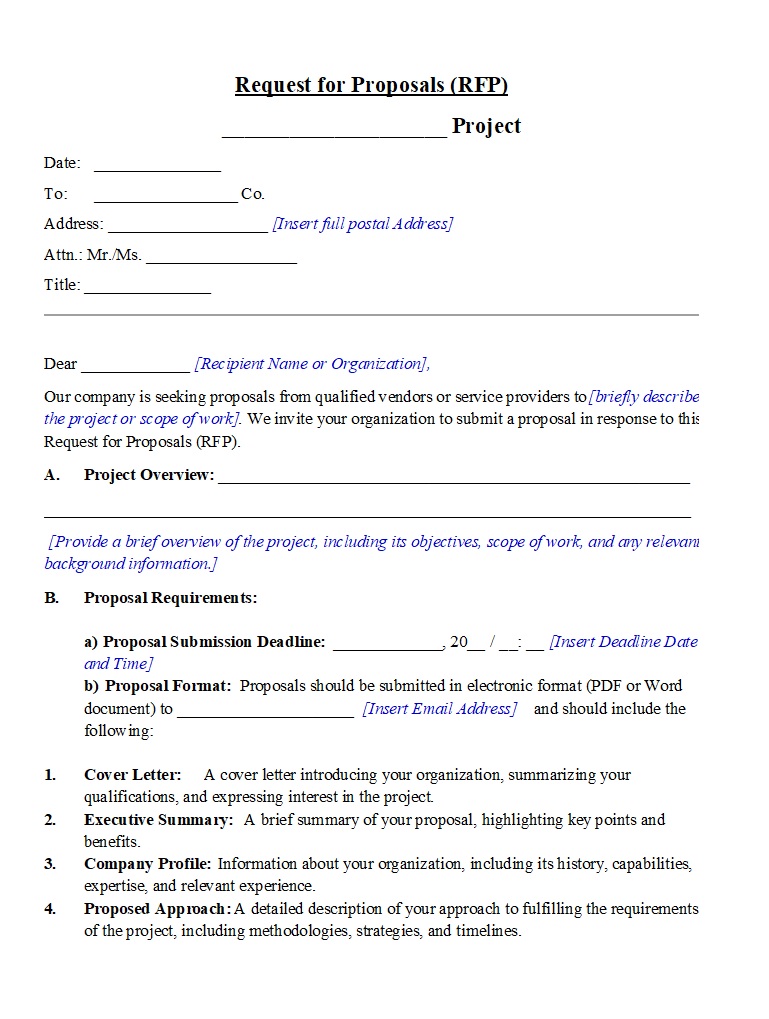
A Request for Proposal (RFP) sets out an organization’s intention to procure a service, product, or project through a structured, competitive approach. It communicates the objectives, performance expectations, and operational requirements so every potential bidder understands the problem and the desired outcome. Because it establishes a clear baseline, it ensures that all participants receive the same information and conditions from the beginning.
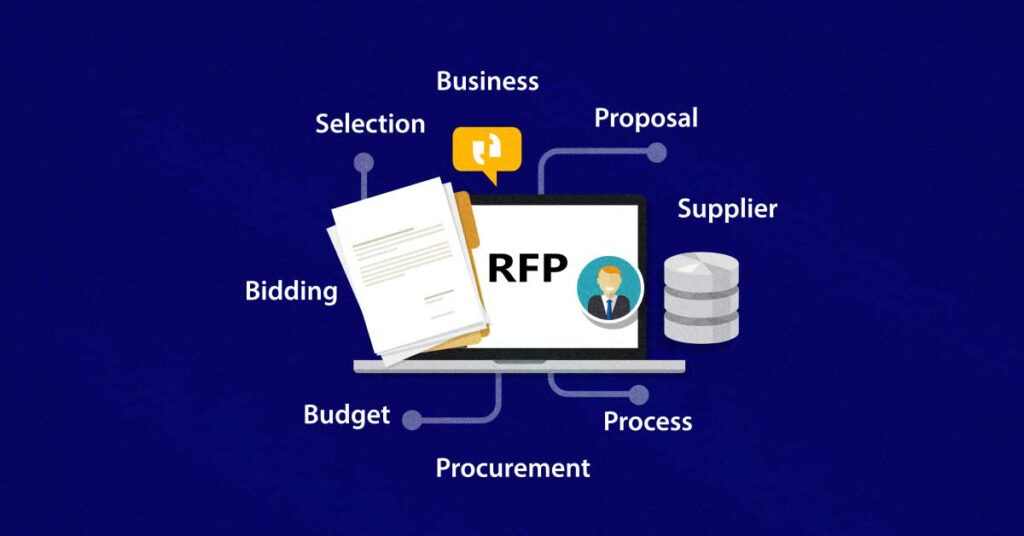
How a Request for Proposal Operates
A Request for Proposal typically includes specifications, scope details, submission instructions, timelines, and the criteria that guide the decision. Vendors respond with detailed proposals explaining their methodology, technical capacity, pricing structure, and strategy for achieving the stated goals. As a result, each proposal reflects the bidder’s commitment, capability, and understanding of the organization’s needs.
Why Organizations Use RFPs
Organizations rely on RFPs to create transparency, maintain discipline in procurement, and secure strong commercial value. The format encourages genuine competition, which often results in better pricing, stronger technical solutions, and improved long-term reliability. Through this process, the issuing party gains a full view of market options while ensuring that the selected provider aligns with operational objectives and strategic priorities.
General Procurement RFP vs. Project-Based RFP
An RFP issued for general procurement focuses on acquiring standard goods or routine services, so it usually centers on specifications, pricing structures, and delivery conditions. The requirements remain stable, and vendors compete mainly on cost efficiency and product suitability. A project-based RFP, however, demands deeper technical detail because it involves unique objectives, multiple phases, and performance milestones.
Consequently, project RFPs evaluate methodology, risk management, team capability, scheduling logic, and measurable outcomes, making the selection process significantly more complex than simple procurement activities.
Check out more pages of our website for related content:
- Proforma Invoice (for Project)
- Technical Bid Evaluation Form (TBE)
- Pre-Bid Joint Venture Agreement (JVA) for Tender Participation
- Technical Bid Evaluation Form (TBE)
- Request For Quotation (RFQ)
- Supply Agreement
Access the Full Contract Directory Index
You can browse the complete alphabetical list of all commercial, financial, and project-based contract templates by visiting our A–Z Contract Index.
Reference:
- Investopedia – RFP: What a Request for Proposal Is, Requirements …

has been added to your cart!
have been added to your cart!

