
Estimated reading time: 3 minutes
Overview of the Commodity Purchase and Sale Contract
A Commodity Purchase and Sale Contract defines how two parties trade a specific commodity at an agreed price and delivery date. Traders use this Contract for oil, gas, metals, agricultural goods, and other exchange-listed products. These Contracts support global markets because they create stability, reduce uncertainty, and improve liquidity across trading platforms.
Standardisation in Commodity Contracts
A Commodity Purchase and Sale Contract relies on standard terms to improve market clarity. Therefore, it specifies quality benchmarks, quantity units, and delivery locations. These standards allow traders to compare products easily and execute transactions with confidence. Moreover, they help exchanges operate smoothly because every participant follows unified rules.
Types of Underlying Commodities
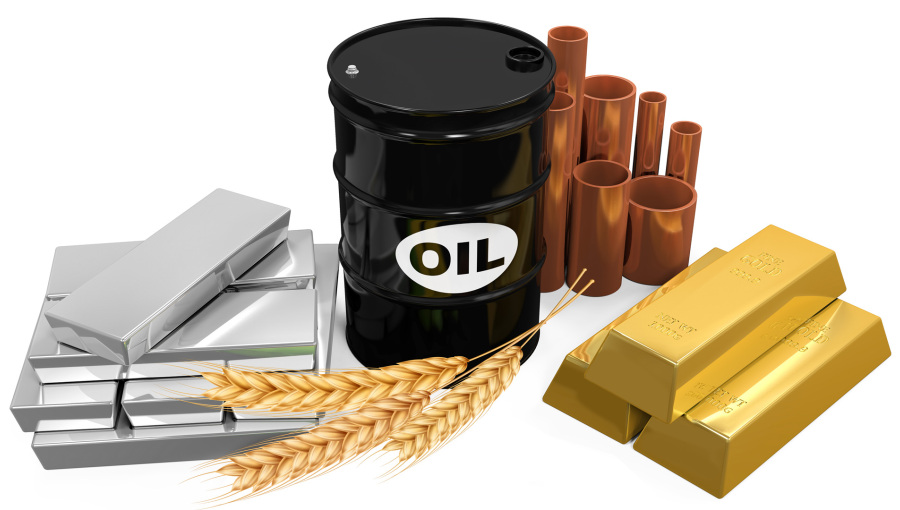
Underlying commodities vary across sectors. Many traders focus on agricultural items like wheat, corn, or soybeans. Others work with metals such as gold, copper, or silver. Energy markets rely on crude oil, natural gas, and related products. Each commodity category uses clear specifications that support fair pricing and transparent settlement.
Price, Delivery Date, and Market Clarity
The Contract states a fixed price and a firm delivery date. Traders use these terms to manage exposure and control future costs. For example, a buyer may lock in a price when market volatility increases. A seller may secure revenue before production shifts. As a result, both parties gain predictable outcomes.
Leverage and Margin Requirements
Commodity Contracts also use leverage through margin requirements. A trader deposits a small amount to control a larger position. This structure increases flexibility and enables efficient risk-taking. However, leverage magnifies gains and losses, so traders must apply disciplined strategies.
Hedging and Speculation in Commodity Trading
Hedgers use Commodity Contracts to stabilise their operations. For instance, an airline locks fuel costs, and a farmer secures crop revenue. Meanwhile, speculators use price movements to earn a profit. Their activity increases market liquidity and supports efficient price discovery. Therefore, both groups help exchanges function more effectively.
Essential Commodity Specifications
Each Commodity Purchase and Sale Contract requires detailed specifications. The Contract includes the commodity type, grade, and quantity. It also states certification standards and inspection rules. These details prevent disputes and allow both parties to evaluate product quality before settlement. Metal Contracts, agricultural Contracts, and energy Contracts all use this approach to maintain clarity during trade.
Check out more pages of our website for related content:
- Commodity Hedging Agreement
- Precious Metal Purchase Agreement
- Bill of Sale (Notarized)
- Brokerage Agreement
- Oil & Gas Glossary (Contractual Definitions)
Access the Full Contract Directory Index
You can browse the complete alphabetical list of all commercial, financial, and project-based contract templates by visiting our A–Z Contract Index.
Reference:
- International Chamber of Commerce (ICC) – “Incoterms® and Commodity Trade Practices” – ICC provides globally recognised rules governing delivery terms, risk allocation, and trade practices used in commodity purchase and sale contracts.
- UNCTAD (United Nations Conference on Trade and Development) – “Commodity Trading Manual” – A comprehensive UN publication explaining pricing mechanisms, standardisation, futures structure, delivery rules, and risk frameworks in global commodity trade.

has been added to your cart!
have been added to your cart!

