Estimated reading time: 3 minutes
An Equipment Lease Agreement governs the temporary use of machinery or assets without transferring ownership. It structures payment, risk, and responsibility from day one. Businesses rely on this agreement to secure equipment access while preserving cash flow. At the same time, owners protect asset value and legal control. This balance makes the agreement essential in construction, manufacturing, logistics, and professional services. Equipment Lease Agreement
Purpose and Function of An Equipment Lease Agreement
The agreement allows a lessor to grant possession while retaining ownership. Meanwhile, the lessee gains operational use for a fixed period. Rent obligations begin immediately and follow a defined schedule. Therefore, both parties avoid uncertainty around access, cost, and duration. Clear start and end dates also reduce disputes over possession and surrender.
Core Components
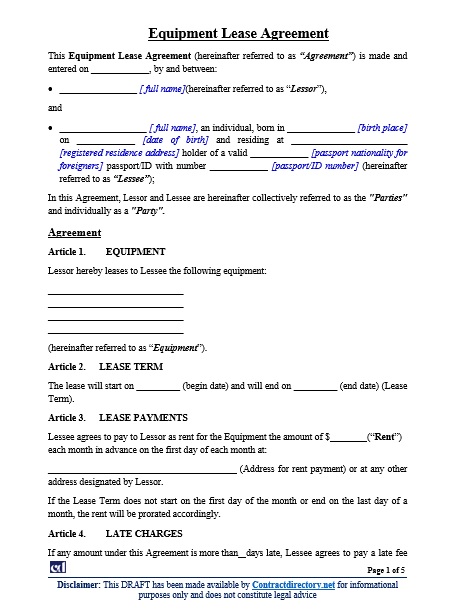
The equipment description defines the exact assets under lease. The lease term fixes the usage window. Payment clauses specify rent, due dates, and prorations. Late charges reinforce discipline. Security deposits protect against damage or breach. Delivery terms allocate transport costs. Default provisions outline cure periods and remedies. Insurance, maintenance, and indemnity clauses shift operational risk to the user. Ownership clauses confirm that title never transfers.
Practical Use and Application
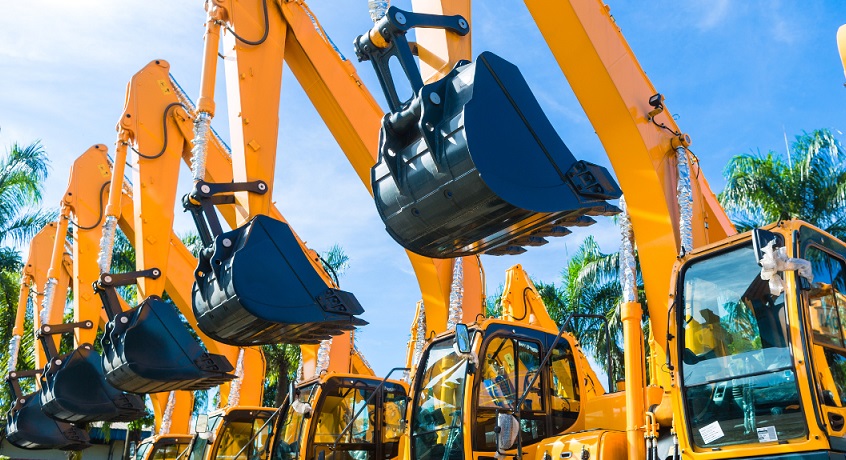
Companies use this agreement when purchasing equipment strains liquidity. Contractors lease machinery for project-specific needs. Startups avoid capital expenditure while scaling operations. Because obligations continue even after damage or loss, lessees must insure properly. In cross-border or high-value leases, these clauses prevent costly enforcement gaps.
Common Challenges and Mistakes
Vague equipment descriptions create replacement disputes. Weak default language delays repossession. Missing insurance requirements expose owners to loss. Lessees often underestimate maintenance and replacement liability. Governing law omissions complicate enforcement. Each of these errors weakens the agreement’s protective role.
Final Note
An Equipment Lease Agreement is not a simple rental form. It allocates financial risk, operational control, and legal remedies. When drafted precisely, it protects ownership, ensures payment discipline, and supports efficient asset use. Poor drafting, however, shifts risk silently and expensively.
People also downloaded:
“Looking for a different framework? Browse our full A-Z Index of Legal Templates“
Glossary of Equipment Lease Terms
- Lessor
- The legal owner of the equipment who grants the right to use the property in exchange for rent[cite: 3, 61].
- Lessee
- The individual or entity that receives the equipment and assumes responsibility for its care and payment.
- Security Deposit
- Funds held in trust by the Lessor to cover potential damages or breaches of the agreement.
- Cure Period
- A seven-day window following a notice of default where the Lessee can fix the violation to avoid contract termination.
- Ordinary Wear and Tear
- The natural decline in condition that occurs during normal use, which the Lessee is not required to repair upon return[cite: 44].
- Indemnification
- The Lessee’s obligation to protect the Lessor from legal claims or losses arising from the use of the equipment[cite: 96].
References:
- NerdWallet – Equipment Leasing: What It Is and How It Works – This guide details how equipment leasing enables businesses to rent necessary machinery from financing companies rather than buying it, covering the process and benefits.
- Business News Daily – Equipment Leasing: A Guide for Business Owners – The article explains the mechanics of equipment leasing and key factors for business owners to weigh when choosing between leasing or purchasing equipment.
- SoFi – Equipment Leasing Guide: Types, Benefits & Requirements – This resource compares leasing versus buying equipment, outlines various lease types, and discusses qualification criteria and advantages for businesses. …

has been added to your cart!
have been added to your cart!

