Estimated reading time: 3 minutes
Understanding a Collaboration Agreement
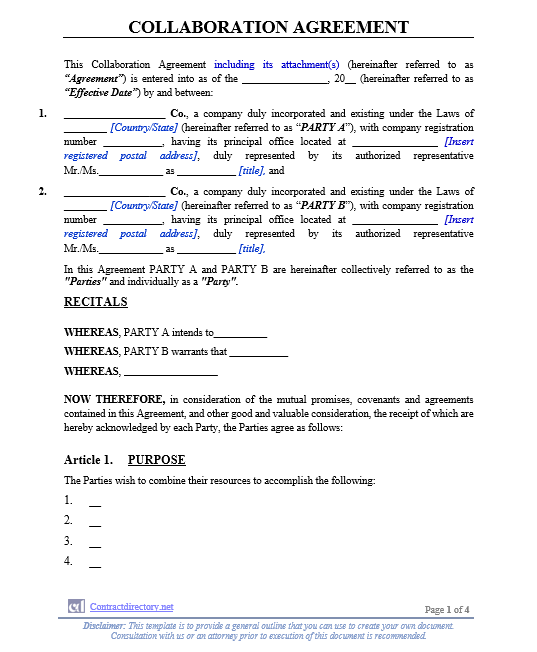
A Collaboration Agreement sets the foundation for a structured partnership between two or more entities. It defines the purpose, scope, and shared objectives. The agreement ensures both parties understand their roles and responsibilities from the outset. Furthermore, it outlines the specific goals that the partnership intends to achieve.

Decision-Making and Representation
A well-drafted Partnership Contract ensures joint decision-making on significant matters. These include service eligibility, service nature, and financial commitments. Each party appoints a primary representative with full decision-making authority. This approach keeps both parties fully informed about relevant developments. Additionally, representatives act as the key point of contact, ensuring smooth communication.
Funding, Staffing, and Profit Sharing
The agreement typically requires an equal share of staffing duties and financial contributions. When external funding is necessary, both parties jointly arrange and repay the credit. If one party invests beyond their share, the excess is treated as a loan without additional control rights. All profits first cover shared obligations, including excess capital repayments and overhead costs. The remaining proceeds are then equally distributed.
Insurance, Termination, and Amendments
A strong Collaboration Agreement addresses risk management through adequate insurance coverage. Parties name each other in their policies and provide mutual indemnity, excluding cases of gross misconduct. Termination requires written notice, typically 30 days in advance. Amendments or extensions are valid only with the written approval of all parties. These measures protect the interests of all collaborators and maintain the integrity of the partnership.
Check out more pages of our website for related content:
Access the Full Contract Directory Index
You can browse the complete alphabetical list of all commercial, financial, and project-based contract templates by visiting our A–Z Contract Index.
Reference:
- Harper James – Guide to collaboration agreements – This article provides a comprehensive overview of what collaboration agreements are, when businesses need one, key elements to include such as project scope, IP protection, financial contributions, liabilities, and termination provisions to ensure successful and risk-managed joint commercial projects.
- SpotDraft – What Is A Collaboration Agreement? Everything You Need To Know – This guide explains collaboration agreements as legally binding frameworks for contractual joint ventures, detailing essential clauses like definitions, purpose, roles and obligations, financial arrangements, IP ownership, confidentiality, dispute resolution, and best practices for protecting parties in business collaborations.
- Contract Logix – The Ultimate Guide to Collaboration Agreements – This resource defines collaboration agreements as contracts for mutually beneficial projects, covering why they are recommended over verbal agreements, key terms including parties involved, project scope, roles, responsibilities, financials, confidentiality, IP rights, non-solicitation, and mechanisms for penalties and dispute resolution to prevent conflicts. …

has been added to your cart!
have been added to your cart!

