Estimated reading time: 2 minutes
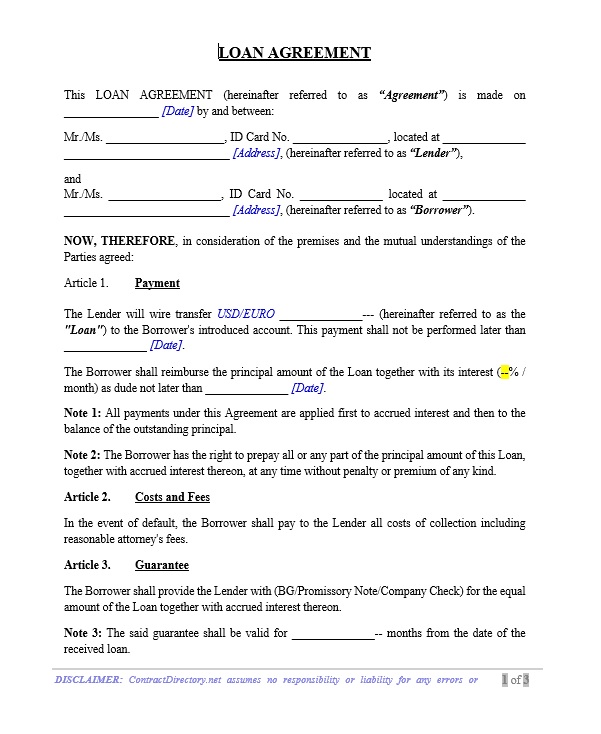
A Loan Agreement, also called a Loan Contract, is a binding document that governs the relationship between the lender and the borrower. Specifically, it outlines the principal amount, repayment plan, and interest obligations in detail. Therefore, this clarity helps prevent disputes while also protecting both parties by ensuring transparency and enforceability. Moreover, for borrowers, the Loan Contract provides access to credit, while for lenders, it secures repayment rights and strengthens financial assurance. Consequently, both sides benefit from a legally defined structure that builds mutual trust.

Core Terms Of A Loan Contract
Key elements of a Loan Agreement include the loan amount, repayment schedule, interest rate, and maturity date. Additional clauses may cover prepayment, late payment penalties, and security requirements such as collateral. A well-drafted Loan Contract establishes order, prevents misunderstandings, and provides a framework that ensures repayment according to agreed terms.
Enforcement And Default Provisions
Every Loan Agreement defines what constitutes default. Common triggers include failure to pay installments, insolvency, or breach of other obligations. Once default occurs, the lender may accelerate repayment, enforce collateral, or pursue court action. These provisions safeguard the lender while also making the borrower aware of the serious consequences of non-compliance.
Governing Law And Professional Advice
Each Loan Agreement is subject to governing law, which determines enforceability and resolution of disputes. Parties are encouraged to obtain independent legal and financial advice before signing, as obligations under the Loan Contract are strict and long-term. With balanced drafting, a Loan Agreement creates fairness, protects capital, and facilitates smooth financial transactions.
Check out some other pages of our website for related content:
Reference
- U.S. Securities and Exchange Commission (SEC) – Regulation of Digital Assets and Tokenized Securities provides official guidance on compliance, disclosure requirements, and investor protection in cryptocurrency and token-based markets.
- Investopedia – Cryptocurrency Regulation and Legal Framework Explained offers an educational overview of cryptocurrency regulation, market behavior, and financial risk management principles.
- Cornell Law School – Legal Information Institute: Securities and Exchange Act Resources Summarizes foundational U.S. securities laws governing financial instruments, digital assets, and investment activities.
- International Monetary Fund – Global Policy Outlook on Digital Currencies and Financial Stability analyzes international policy trends and financial stability implications of digital currencies and blockchain-based assets.

has been added to your cart!
have been added to your cart!

