Contract Lifecycle Management (CLM) helps businesses manage contracts from start to finish. It involves drafting, negotiating, signing, and renewing agreements. Companies use CLM to improve accuracy and reduce risk. It creates transparency throughout the process.
CLM software ensures that no part of the contract process gets overlooked. As a result, businesses gain control and save time. These tools also enhance collaboration between legal, sales, and procurement teams.
For more insight, explore this guide from Icertis.
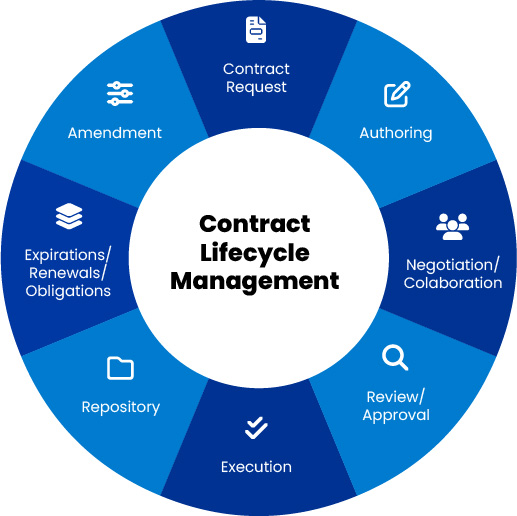
CLM Process from Start to Finish
Each contract follows several key stages. The first stage is contract creation. During this phase, teams draft contracts using templates and legal guidelines. They make sure the terms are clear and legally sound.
Next comes contract negotiation. Parties exchange feedback and revise terms. Using CLM software, this process becomes faster and more secure. The software tracks changes and maintains version control.
After negotiations, the parties sign the contract. E-signature tools help speed up this stage. CLM software also stores contracts in secure digital repositories.
The final stages include execution, monitoring, and renewal. Businesses track obligations and performance metrics. They receive reminders for renewal dates. This prevents missed deadlines and ensures continuity.
Benefits of Using CLM Software
CLM software increases contract visibility. It keeps all documents in one place. Teams can access information without delay. This improves workflow and reduces confusion. It also improves compliance. Automated workflows ensure that no step is skipped. Companies follow legal and internal rules easily. Moreover, audit trails keep a record of every action.
CLM tools reduce risk. Businesses can identify potential problems early. They avoid contract breaches and financial losses. In addition, faster approvals help speed up business operations. Another benefit is performance tracking. CLM software monitors contract milestones. It shows if parties meet their obligations. Businesses can address issues before they escalate.
Choosing the Right CLM Solution
Before choosing a CLM solution, businesses should define their needs. Some may require advanced features. Others may want a simple interface. It depends on the company’s size and contract volume. The software should offer integration with existing systems. CRM, ERP, and document management tools must connect seamlessly. This creates a smoother user experience.
Security is another critical factor. The best CLM tools offer encryption and role-based access. They also provide regular backups and compliance certifications. Customer support matters too. A reliable vendor offers training and troubleshooting help. Look for companies with strong user reviews and industry experience.
Implementing CLM in Your Organization
Start with a pilot project. Choose a department that handles many contracts. Train the team and gather feedback. This helps refine the process before a full rollout. Set clear goals. Decide what success looks like. Track performance using key metrics. These may include turnaround time and error rates.
Encourage team collaboration. Involve legal, sales, and operations from the start. This ensures smooth adoption and long-term success. Finally, review the system regularly. Make improvements as needed. Technology changes fast, and your CLM strategy should evolve too.
#ContractLifecycleManagement #CLM #ContractAutomation #LegalOps #ContractManagement #DigitalContracts #LegalTech #ContractStrategy #BusinessCompliance #ContractSoftware #RiskMitigation #CLMSolutions #SmartContracts

